Archives - Page 2
-
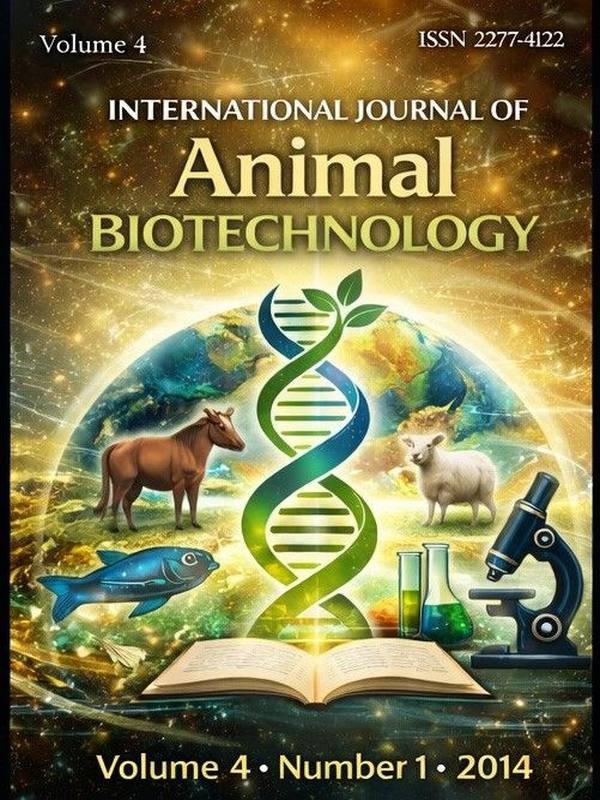
Vol.4 (2014)
With a firm grasp on foundational techniques, Volume 4 showcases the maturation of animal biotechnology as a driver for global food security. The research presented prioritizes the practical challenges of climate change, featuring studies on heat tolerance and disease resilience in tropical livestock breeds. Significant progress is reported in stem cell biology, particularly regarding its applications in regenerative veterinary medicine and the preservation of endangered germplasm. The volume also contains critical reviews and research on the regulatory frameworks governing cloned and transgenic animal products, acknowledging the need for harmonized international standards. By tackling these complex, real-world issues, the journal demonstrates its commitment to facilitating the safe and responsible deployment of biotechnological innovations to benefit both producers and consumers worldwide.
-
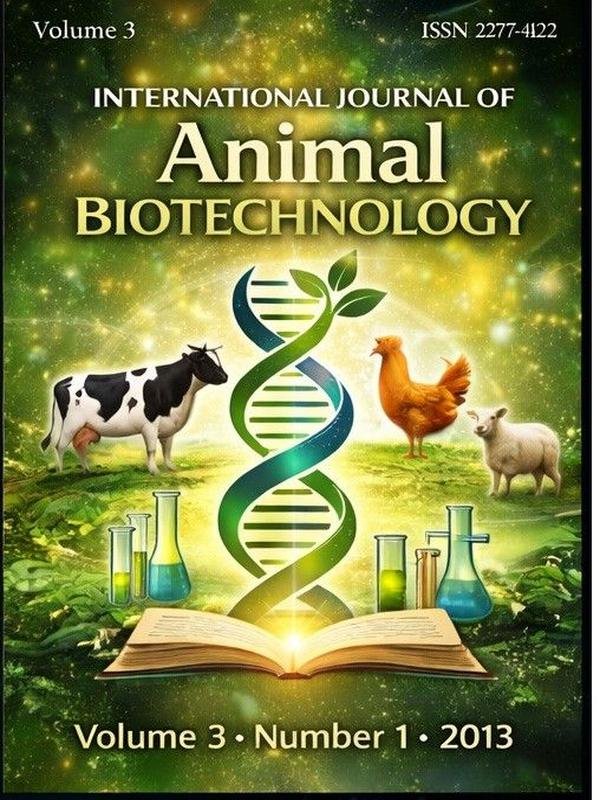
Vol.3 (2013)
Volume 3 marks a significant shift towards understanding complex physiological processes through a biotechnological lens. The focus intensifies on transgenic animals, not just for agricultural productivity but as vital bioreactors for producing human therapeutic proteins. Researchers present innovative strategies for enhancing animal welfare, utilizing biotechnology to diagnose and mitigate stress and disease more effectively. This volume also highlights the burgeoning field of nutritional genomics, exploring how dietary components interact with an animal's genetic makeup to influence phenotype. Studies become increasingly interdisciplinary, incorporating advanced bioinformatics tools to manage the vast datasets generated by high-throughput sequencing. The work published here underscores the transition of animal biotechnology from a purely academic pursuit to a cornerstone of modern, sustainable farming practices.
-
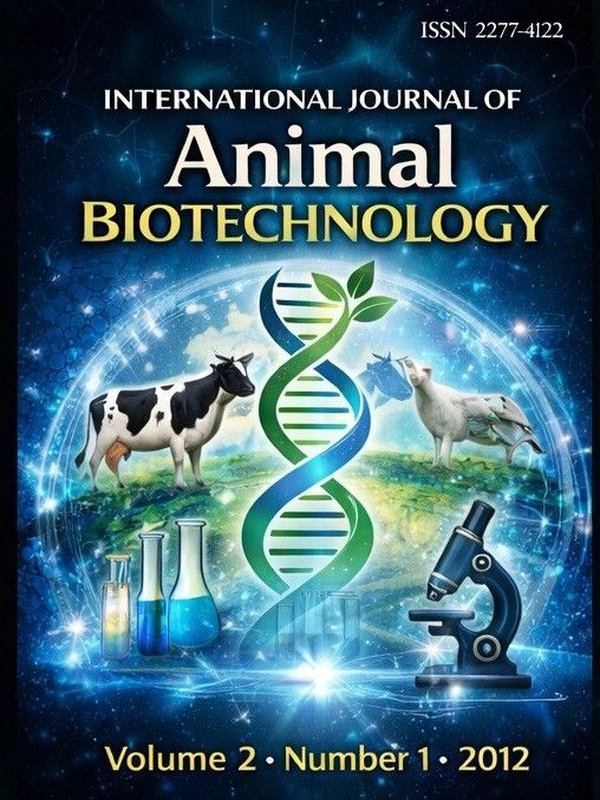
Vol.2 (2012)
Building on its strong foundation, Volume 2 delves deeper into the functional applications of genomic data in animal husbandry. This year's collection emphasizes the practical use of molecular markers for disease resistance and improved feed efficiency in key livestock species. Significant attention is given to the ethical and safety considerations surrounding genetically modified organisms, reflecting the growing public discourse. The research presented explores advanced reproductive technologies, including sex-sorted semen and in vitro fertilization, moving them from the lab closer to widespread field application. Furthermore, studies on the characterization of the animal gut microbiome begin to emerge, hinting at the profound impact of microbial communities on host health and nutrition, thereby broadening the journal's scope into systems biology.
-
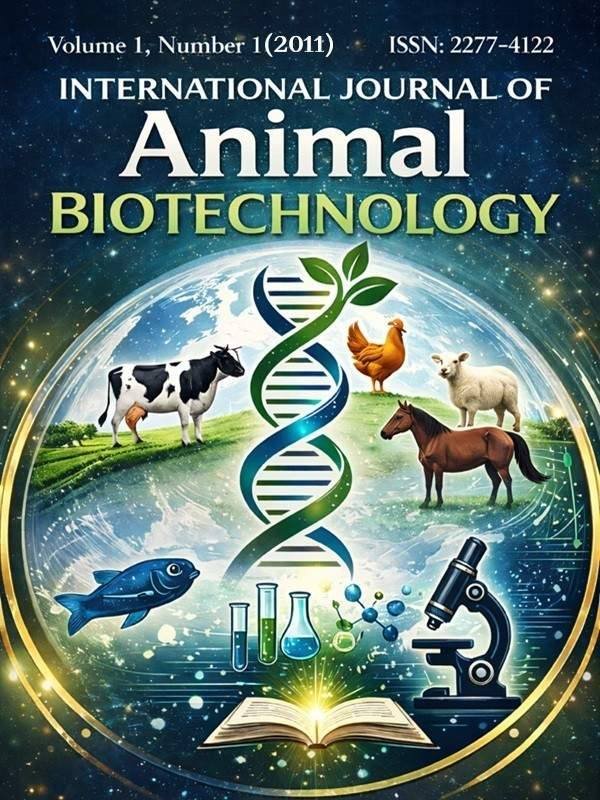
Vol.1 (2011)
Volume 1, Number 1 (2011) marks the inaugural issue of the International Journal of Animal Biotechnology, establishing a scholarly platform dedicated to advancing research at the interface of animal science and biotechnology. This foundational issue presents original studies and reviews addressing animal genetics, reproductive biotechnology, health management, and emerging biotechnological tools. The issue reflects the journal’s commitment to rigorous peer review, ethical research practices, and global relevance. By bringing together contributions from researchers across diverse regions and disciplines, the first issue set the tone for interdisciplinary collaboration and innovation. Vol.1, No.1 laid a strong academic foundation, positioning the journal as a credible forum for disseminating impactful research.
Previous
13-16 of 16